What Is Dooars?
Dooars (also spelled Duars) is a region in North Bengal that sits at the foothills of the Eastern Himalayas. The word "Dooars" means "doors" in several languages — referring to the gateways or passes that connect the plains of India to Bhutan and the higher Himalayas.
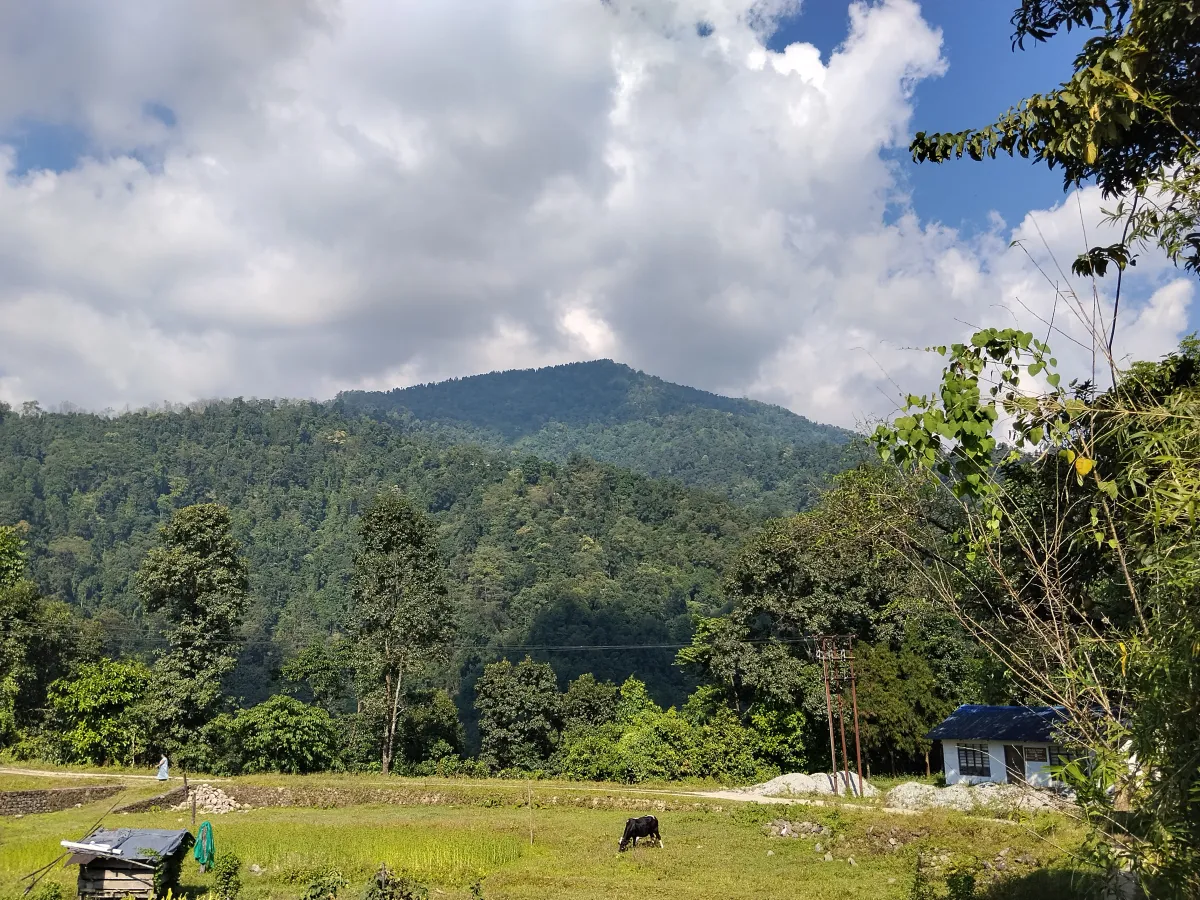
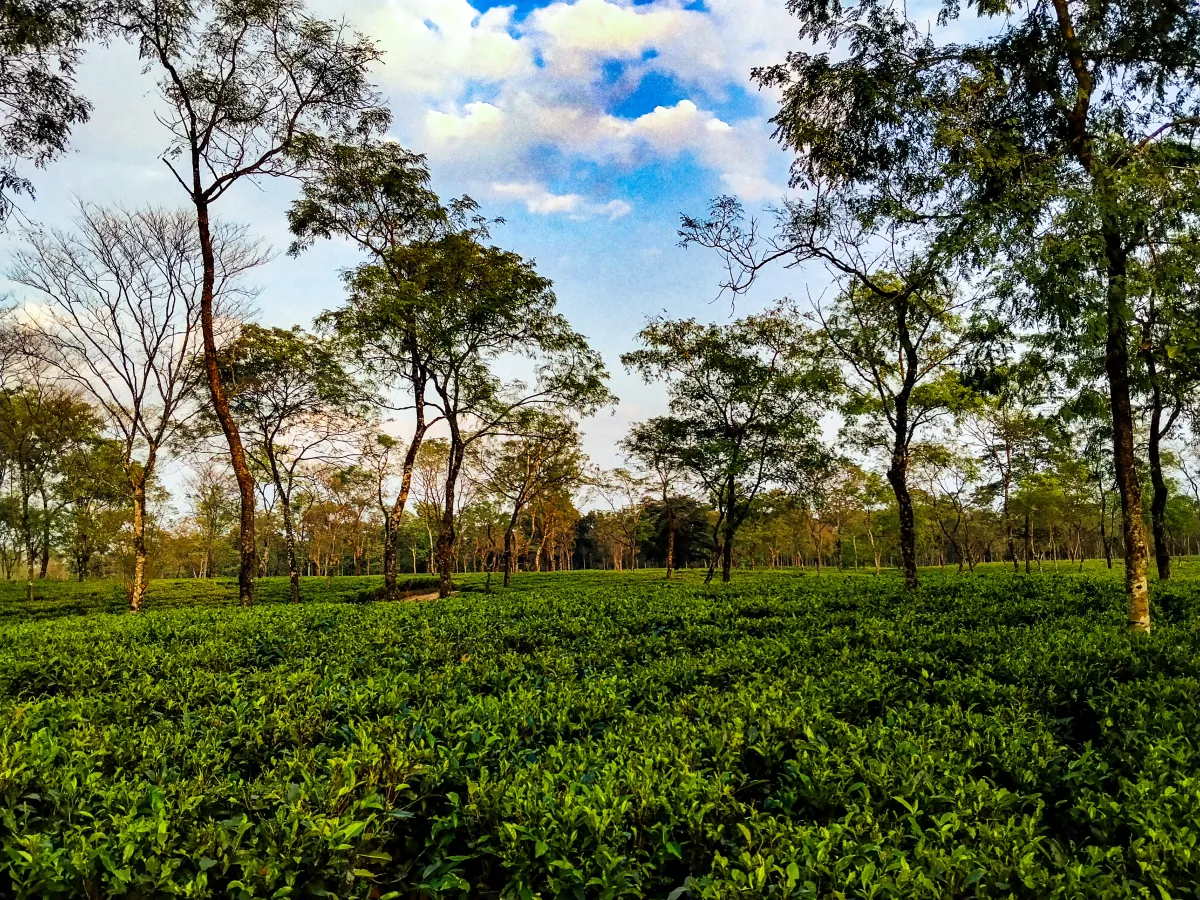
This is a landscape defined by tea gardens, dense sub-tropical forests, wide rivers, and national parks. It is one of the most biodiverse regions in India, home to elephants, leopards, bison, rhinos, and over 400 species of birds.
If you are looking for wildlife, forest trails, tea garden views, and quiet hill stations that are not overrun by tourists, Dooars is where you should be looking.
Where Is Dooars Located?
Dooars stretches across the northern districts of West Bengal, primarily in Jalpaiguri, Alipurduar, and parts of Kalimpong and Cooch Behar districts. The region runs roughly from the Teesta River in the west to the Sankosh River in the east, covering the lowland and foothill areas below Darjeeling and Sikkim.
The landscape transitions from flat tea-covered plains in the south to rising forested hills in the north, eventually giving way to the Himalayan foothills.
How to Reach Dooars
By Train
The main railway gateway to Dooars is New Mal Junction (NMZ) or New Jalpaiguri (NJP), one of the most well-connected stations in North Bengal. Trains from Kolkata, Delhi, Mumbai, Guwahati, and other major cities arrive here regularly.
From NJP/NMZ, you can hire a car or take a local bus to reach any part of Dooars — Lataguri, Gorumara, Murti, Jaldapara, Chalsa, Samsing, or Mandalgaon. The drive times vary between 1.5 to 3 hours depending on your destination.
By Air
The nearest airport is Bagdogra (IXB), located about 16 km from Siliguri. It is served by regular flights from Kolkata, Delhi, Mumbai, and Bangalore. From Bagdogra, hire a taxi directly to your Dooars destination.
By Road from Kolkata
The distance from Kolkata to NJP/Siliguri is approximately 560–600 km. You can drive via NH 12, but the better and faster route is to take an overnight train to NJP and then continue by car. Most travellers find this more comfortable.
Top Places to Visit in Dooars
1. Mandalgaon
Mandalgaon is a forested hilltop village at the edge of Neora Valley, offering complete 360-degree jungle views, the sound of the Murti River from the valley below, and deep forest immersion. It is one of the least-visited and most pristine spots in the Dooars region — perfect for serious birdwatchers and anyone looking to escape all signs of mainstream tourism. Kinglayang Homestay in Mandalgaon offers an authentic hilltop ecotourism experience surrounded by unbroken forest. Read our complete guide to Mandalgaon here.
Buxa is a less-developed, more adventurous option. The reserve is large, forested, and home to tigers, elephants, and leopards — though sightings are rare.The Buxa Fort ruins, accessible via a trek, are a unique historical element. This is for travellers who want an off-the-beaten-track forest experience.
2. Samsing and Suntaleykhola
Best for: Hill station vibes, orange orchards, forest views
Samsing is a small hill station in the Kalimpong district, offering tea garden views, orange orchards, and proximity to Neora Valley. Suntaleykhola, located near Samsing, sits beside a river and is quieter still. These are ideal for travellers looking for forest surroundings with a hill station feel, minus the Darjeeling crowds.
3. Gorumara National Park
Best for: Jeep safaris, bison sightings, elephants
Gorumara is the most famous national park in Dooars. It is home to a healthy population of Indian bison (gaur), elephants, deer, and leopards. The morning jeep safari through the park is the highlight of most Dooars itineraries. The landscape is a mix of grassland and riverine forest, making wildlife spotting easier compared to denser forests.
Entry: Permits are required for jeep safaris and can be booked online or through local tour operators.
4. Jaldapara Wildlife Sanctuary
Best for: Rhino sightings, elephant safaris
Jaldapara is famous for its one-horned rhinos. The park offers both jeep and elephant safaris. The elephant safari option is particularly popular here because it allows you to move more quietly through the grasslands, increasing the chances of seeing rhinos and other grazing animals.
4. Neora Valley National Park
Best for: Trekking, birding, pristine forest
Neora Valley is the least commercialised and most ecologically intact forest in the Dooars region. Access is restricted and permits are required, but for serious nature lovers and birders, this is the crown jewel of Dooars. The forest here is untouched, the biodiversity is extraordinary, and the experience is completely different from the more tourist-heavy parks.
Species: Red Panda, Clouded Leopard, Satyr Tragopan, and over 300 bird species.
6. Lataguri
Best for: Base for Gorumara, accommodation hub
Lataguri is not a destination itself but the main accommodation hub for visiting Gorumara. It has dozens of resorts, homestays, and hotels at all price ranges. Most people who visit Gorumara stay in Lataguri and take early morning safaris from there.
7. Murti
Best for: Riverside camping, nature walks
Murti is a quiet riverside village on the banks of the Murti River. It is a popular spot for nature lovers who want to stay near the forest without the resort density of Lataguri. The riverbanks are great for birdwatching and the forest edges offer short walking trails.
8. Jayanti
Best for: River views, Mahakal Cave, remote location
Jayanti is a scenic riverside village near the Bhutan border, known for the Jayanti River (also called the Raidak River) and the Mahakal Cave. The landscape here is wilder and less manicured than other Dooars destinations. It attracts fewer tourists, which is precisely its appeal.
Wildlife You Can Expect to See in Dooars
- Asian Elephant — common in forest corridors and near river zones
- Indian Bison (Gaur) — frequent sightings in Gorumara
- One-Horned Rhino — found in Jaldapara
- Leopard — present but elusive; sightings are rare
- Sambar Deer, Barking Deer, Hog Deer — common
- Wild Boar — frequently seen
- Peacock — very common
- Red Panda — only in Neora Valley (rare, requires trekking)
- Over 400 species of birds including hornbills, woodpeckers, flycatchers, laughingthrushes, and migratory species
Best Time to Visit Dooars
October to March — Peak Season (Best Overall)
This is the most popular and most comfortable time to visit. The weather is cool and dry, wildlife sightings are frequent as animals come out to water sources, and the skies are clear. November to February is ideal for birding as winter migrants arrive.
Kanchenjunga and other Himalayan peaks are visible from higher Dooars locations during this period.
April to June — Summer (Hot but Green)
The plains get hot, but the forest stays lush. Wildlife activity remains high, and this is a good time for elephant sightings near rivers. If you do not mind the heat, this season has fewer tourists and more availability.
July to September — Monsoon (For Experienced Travellers)
Heavy rains transform the landscape — every ridge turns deep green, rivers swell, and the forest becomes intensely alive. However, roads can be slippery, leeches are present on trails, and some parks restrict entry during heavy rain. Not recommended for first-time visitors, but loved by experienced nature travellers.
Dooars Itinerary Suggestions
3-Day Dooars Itinerary (First-Time Visitors)
- Day 1: Arrive NJP/NMZ → Drive to Kinglayang Homestay → Check-in and afternoon forest walk
- Day 2: Early morning Gorumara jeep safari → Chalsa → Samsing → Rockey Island → Suntalekhola → Neora Dam → night stay at tent.
- Day 3: Drive to Jaldapara → Elephant safari → Depart to NJP/NMZ
5-Day Dooars Itinerary (Extended)
- Day 1: Arrive NJP/NMZ → Kinglayang Homestay
- Day 2: Early morning Gorumara jeep safari → Chalsa → Samsing → Rockey Island → Suntalekhola → Neora Dam → night stay at tent.
- Day 3: Drive to Jaldapara → Elephant safari → Jaigaon (Bhutan border)
- Day 4: Drive to Neora Valley National Forest → Lava → Lolegaon → Rishop
- Day 5: Drive back via Chalsa, tea garden stop, depart from NJP/NMZ
Where to Stay in Dooars
Mandalgaon: Peaceful accommodation at Kinglayang Homestay
Lataguri: Largest accommodation hub — resorts, homestays, budget lodges
Murti: Riverside camps and eco-lodges
Samsing / Mandalgaon: Hilltop homestays with forest and Himalayan views
Jayanti: Basic guesthouses and forest bungalows
Inside Parks (Gorumara/Jaldapara): Forest lodges available through West Bengal Forest Department
What to Pack for a Dooars Trip
- Binoculars (essential for wildlife watching)
- Comfortable walking shoes or light trekking boots
- Insect repellent (mosquitoes and leeches in monsoon)
- Light cotton clothes (summer), warm layers (winter mornings)
- Camera with zoom lens
- Sunscreen and hat
- Reusable water bottle
Tips for Visiting Dooars
- Book jeep safaris in advance, especially during peak season (Oct–Feb)
- Stay at local homestays when possible — they are cheaper, more authentic, and directly support the local economy
- Avoid loud music and noise near forest edges — wildlife corridors are active here
- Do not litter — carry back all plastic and waste
- Hire local guides for birdwatching or forest walks — they know the terrain and species far better than any app
- If you are serious about birdwatching, visit Neora Valley buffer zones or Mandalgaon — these areas have the highest bird diversity
Dooars vs Darjeeling — Which Should You Choose?
Choose Darjeeling if: You want hill station vibes, tea estate tours, toy train rides, and mountain views with good tourist infrastructure.
Choose Dooars if: You want wildlife safaris, forest immersion, birdwatching, riverside stays, and a much quieter, less commercialised experience.
If you have 7+ days, combine both — spend 3–4 days in Dooars and then head up to Darjeeling for the final stretch.
Final Thoughts
Dooars is one of those regions that feels like it has been kept secret by people who do not want it to become the next crowded hill station. It has national parks that rival any in India for biodiversity, forests that are still genuinely wild, rivers that run clean and cold, and hilltop homestays where you can see Kanchenjunga from your window.
If you are tired of tourist-heavy destinations and want a trip where nature is the main event — not just the backdrop — Dooars should be your next destination.
"Dooars is what wildlife tourism should feel like — quiet, respectful, and real."